Mastering Digital Impressionism: A Guide to Realistic Oil Brushes and Canvas Textures in Procreate
The digital art world has undergone a significant transformation in recent years. What was once dominated by flat vectors and clean, synthetic lines has expanded to embrace the messy, tactile beauty of traditional media. At the heart of this shift is the desire for authenticity. Artists no longer just want to draw on a screen; they want to paint. This is where tools like the Procreate Oil Brush 1 Background Canvas become essential. By combining realistic oil brush mechanics with high-fidelity canvas textures, these digital assets bridge the gap between the physical studio and the iPad.
For beginners and seasoned professionals alike, understanding how to leverage these tools can revolutionize your workflow. This guide explores the significance of realistic oil painting brushes, the importance of canvas texture, and how you can achieve that coveted Van Gogh aesthetic using modern technology.
The Evolution of Digital Painting Tools
In the early days of digital art, software struggled to mimic the resistance and flow of real paint. Brushes often felt slippery, and colors blended too perfectly, lacking the organic imperfections that give traditional art its soul. However, advancements in brush engine technology have changed the landscape. Today, a procreate bundle focused on realism offers more than just a color picker; it provides a simulation of physics.
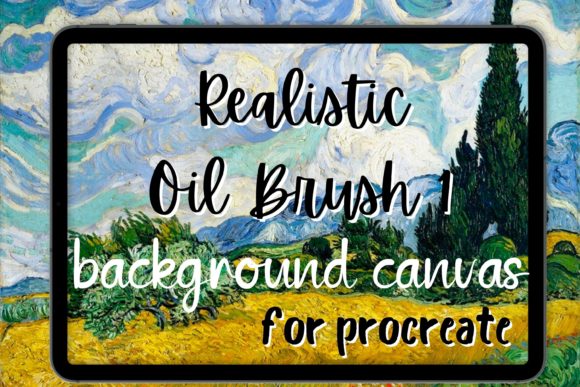
When we talk about a procreate oil brush, we are referring to a complex algorithm that mimics the viscosity of oil paint. It accounts for pressure sensitivity, tilt, and speed. But the brush alone is only half the equation. The surface matters just as much. This is why the Procreate Oil Brush 1 Background Canvas is designed not just as a tool, but as an environment. It replicates the tooth of a woven canvas, allowing the digital bristles to catch and break, creating those authentic, painterly edges.
Why Texture Matters in Digital Art
Many new artists overlook the background, focusing solely on the subject. However, the canvas texture plays a critical role in the final perception of the artwork. In traditional painting, the weave of the canvas interacts with the paint, creating micro-variations in coverage. These variations add depth and prevent the image from looking like a flat computer graphic.
By using a canvas background specifically engineered for oil simulations, you introduce noise and grain that trick the eye. This is particularly important for styles like impressionism and abstract painting, where the visibility of the medium is part of the artistic statement. Without this texture, even the most skilled oil brush strokes can appear sterile.
Achieving the Van Gogh Aesthetic Digitally
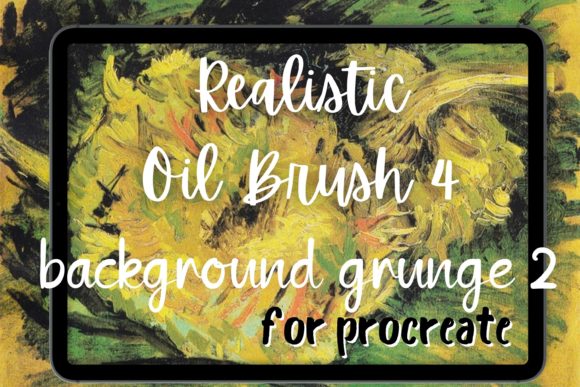
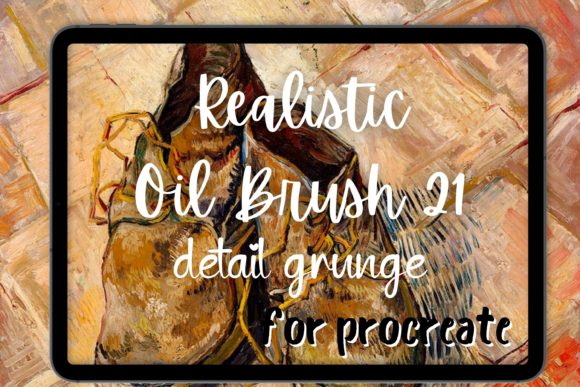
Vincent Van Gogh is perhaps the most famous practitioner of impasto, a technique where paint is laid on an area of the surface very thickly. His work is characterized by bold, expressive van gogh oil textures and swirling motions. Replicating this digitally requires more than just a thick brush; it requires a brush that understands directionality and buildup.
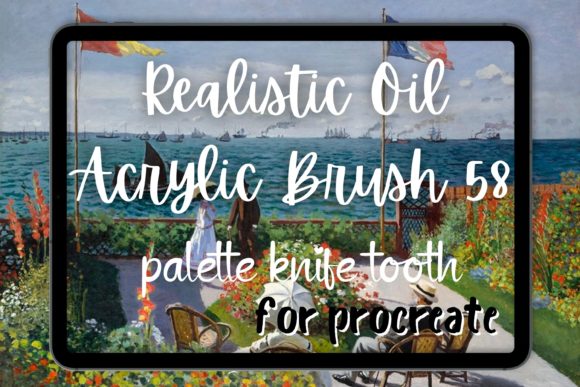
The concept of a van gogh brush or procreate van gogh preset revolves around capturing that specific energy. These brushes are often tuned to leave distinct ridges, simulating the peak of a palette knife or a stiff hog-hair brush. When paired with the right canvas background, the result is a dynamic interplay of light and shadow within the strokes themselves.
To achieve this look:
- Use Short, Dashed Strokes: Mimic the broken color technique used by impressionists.
- Layer Heavily: Do not blend everything smoothly. Let the underlying layers peek through.
- Vary Pressure: Use the Apple Pencil’s pressure sensitivity to create thin starts and thick ends to your strokes.
Practical Applications for Modern Creatives
You might wonder who benefits most from these specialized tools. The answer is broader than you might think. While fine artists are the obvious users, these tools have practical relevance in various industries.
- Concept Art and Illustration: Game and film studios often seek a "painterly" look for concept art to convey mood and atmosphere quickly. Realistic oil brushes allow for rapid iteration while maintaining a high level of artistic finish.
- Marketing and Branding: Brands are moving away from stock photography toward custom illustrations. An abstract painting style created with digital oils can provide a unique, handcrafted feel that stands out in social media feeds.
- Education and Therapy: Art therapy relies heavily on the sensory experience of creation. For individuals who cannot access physical paints due to cost, space, or mobility issues, a realistic procreate brush setup offers a therapeutic alternative that feels genuine.
Common Misunderstandings About Digital Oil Paint
There is a persistent myth that digital painting is "cheating" or easier than traditional media. This is a fundamental misunderstanding of the skill involved. While digital tools offer undo buttons and infinite layers, mastering the procreate oil brush requires a deep understanding of light, color theory, and composition.
Another common assumption is that all oil brushes are the same. In reality, a brush designed for watercolor will behave drastically differently from one designed for heavy body acrylics or oils. The Procreate Oil Brush 1 Background Canvas is specifically calibrated for the slow drying time and high opacity associated with oil paints. Using a generic round brush will never yield the same painterly results because it lacks the simulated friction and pigment load.
How to Integrate These Tools into Your Workflow
If you are ready to start experimenting with realistic oil effects, here is a step-by-step approach to integrating these assets into your daily creative routine.
Step 1: Set Up Your Canvas
Begin by importing your canvas texture or selecting a pre-made canvas background. Ensure the resolution is high enough to capture the fine details of the weave. A low-resolution background will pixelate when you zoom in to add detailed oil brush strokes.
Step 2: Choose the Right Brush
Select your primary procreate oil brush. If you are aiming for a van gogh oil style, choose a brush with high spacing and size jitter. This ensures that each stamp of the brush varies slightly, creating a natural, non-repetitive look.
Step 3: Build Your Palette
Traditional oil painters mix colors on a palette. In Procreate, try to limit your initial palette to mimic this constraint. Pick five or six core colors and mix them manually on the canvas rather than relying solely on the color wheel. This helps maintain color harmony and creates that authentic impressionism vibe.
Step 4: Embrace Imperfection
Do not strive for photorealism unless that is your specific goal. The beauty of a procreate bundle focused on oils is the ability to be expressive. Let the strokes show. Allow the canvas texture to break up the edges of your shapes. This "lost and found" edge quality is what makes digital art feel human.
The Future of Painterly Digital Art
As technology advances, the line between digital and traditional continues to blur. Haptic feedback devices are beginning to simulate the physical resistance of a brush against canvas, further enhancing the experience. However, even without hardware upgrades, software solutions like the Procreate Oil Brush 1 Background Canvas are pushing the boundaries of what is possible on a tablet.
For the modern artist, these tools are not just about replication; they are about expansion. They allow you to carry a full oil painting studio in your backpack. You can paint in a coffee shop, on a train, or in bed, without the smell of turpentine or the need for ventilation. This accessibility democratizes the painterly style, allowing more people to explore the joy of abstract painting and textured art.
Whether you are a student learning the basics of light and form, or a professional illustrator looking to add warmth to your commercial work, mastering these digital oils is a valuable skill. It connects you to a long lineage of artists who valued the tactile nature of their craft, while leveraging the convenience of the digital age.
Final Thoughts
The journey to mastering digital oil painting begins with the right tools, but it is sustained by practice and observation. By utilizing a dedicated procreate oil brush and a high-quality canvas background, you set yourself up for success. Remember, the goal is not to hide the digital nature of your work, but to celebrate the expressive potential of the medium. So, open your app, select your van gogh brush, and start making some marks. The canvas is waiting.