Mastering the Art of Digital Impressionism with Realistic Oil Brushes
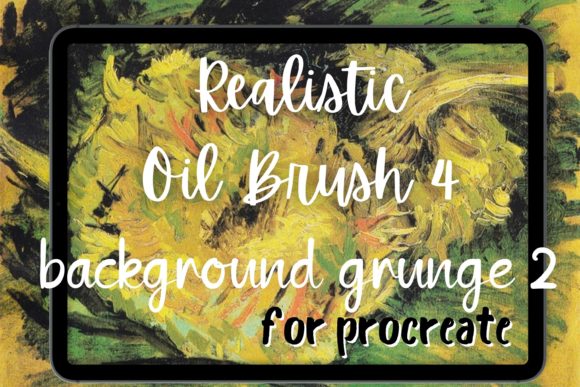
The transition from traditional media to digital art often presents a significant hurdle for painters: the loss of tactile feedback. There is a specific joy in dragging a bristle-loaded brush across textured canvas, feeling the resistance and watching the pigment catch on the weave. For years, digital tools struggled to replicate this organic chaos, resulting in sterile, overly smooth images that lacked soul. However, the evolution of brush engines has changed the game entirely. Today, artists can achieve the thick, impasto look of classic masters without the smell of turpentine or the weeks-long drying time. At the forefront of this revolution are specialized tools like the Procreate Oil Brush Background Grunge 2 and the Procreate Oil Brush 4 Background Grunge 2, which are designed specifically to bridge the gap between physical paint and pixel.
The Texture of Authenticity
What separates a good digital painting from a great one is often the underlying texture. Flat colors, no matter how well blended, can feel lifeless. This is where the concept of a "grunge" background becomes essential. It is not about making your artwork look dirty or unfinished; rather, it is about introducing the subtle imperfections of reality. The Procreate Oil Brush Background Grunge 2 utilizes complex algorithms to simulate the interaction between wet oil paint and a rough, primed surface. When you apply a stroke, the brush does not just lay down color; it interacts with the virtual grain beneath it.
This interaction creates a phenomenon known as "dry brush" effect naturally. As you drag the stylus, the digital bristles skip over the peaks of the canvas texture, leaving gaps that reveal the layer below. This is crucial for achieving that authentic painterly aesthetic. Whether you are working on a portrait or a landscape, these micro-textures add depth and volume to your work. It mimics the way light catches on actual ridges of oil paint, giving your two-dimensional screen a sense of three-dimensional presence.
Channeling the Masters: The Van Gogh Influence
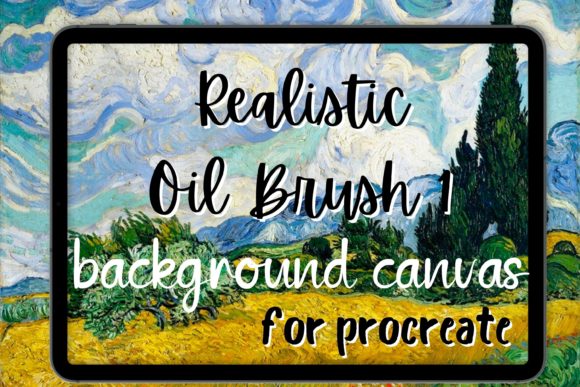
When discussing oil brushes in a digital context, the name Vincent van Gogh inevitably arises. His work is defined by visible, rhythmic, and expressive brushstrokes that convey emotion as much as form. Many artists seek a Van Gogh oil style to inject energy into their compositions. The Procreate Van Gogh aesthetic is not just about copying his subject matter but emulating his technique.
Using tools like the Procreate Oil Brush 4 Background Grunge 2, you can replicate those swirling, thick applications of color. The brush is engineered to maintain the integrity of the stroke shape, ensuring that the start and end of each movement are distinct. This allows for the creation of directional flow in your painting. If you are painting a sky, the strokes can swirl and blend slightly at the edges while maintaining their core structure, much like the cypress trees in The Starry Night. This level of control enables modern digital artists to explore impressionism and post-impressionism with a fidelity that was previously difficult to achieve on an iPad.
Versatility in Application: From Abstract to Realistic
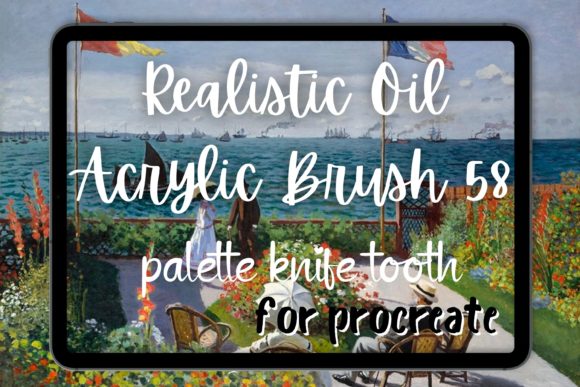
One might assume that heavy texture brushes are limited to specific styles, but their utility is vast. The Procreate oil brush ecosystem supports a wide range of artistic endeavors. Consider the realm of abstract painting. Here, the gesture is everything. The grunge elements in the background brushes allow for spontaneous, energetic marks that do not look digitally manufactured. You can layer colors aggressively, letting the underlying grunge peek through to create visual interest and complexity without needing to manually add noise or overlay textures later.
Conversely, for those aiming for realism, these brushes provide the necessary foundation. A realistic portrait is not just about smooth skin tones; it is about the variation in surface quality. Using the Procreate Oil Brush Background Grunge 2 for the initial blocking-in stages establishes a toothy base. Subsequent layers can be blended more smoothly, but the underlying texture remains, preventing the image from looking like plastic. This hybrid approach—rough beginnings refined by smoother details—is a hallmark of professional traditional oil painting, now accessible digitally.
Enhancing Your Workflow with Bundles
Efficiency is key in any creative workflow. Searching for individual brushes that work well together can be time-consuming. This is why many professionals opt for a Procreate bundle. A curated collection ensures that the brushes share a common language of texture and response. When you have a set that includes both detailed oil brushes and broad grungy background wash tools, you can move seamlessly from large shapes to fine details without breaking your creative flow.
These bundles often include variations in stiffness and load. Some brushes may hold more "paint," allowing for longer, continuous strokes, while others are drier, perfect for scumbling and texturing. Having this variety at your fingertips means you can adapt to the needs of the piece instantly. For instance, you might use a heavy-load brush for the sky and a dry, grunge-heavy brush for the foreground foliage, creating a natural contrast in texture that guides the viewer’s eye.
Practical Considerations for Digital Painters
While the technology is impressive, getting the most out of tools like the Procreate Oil Brush 4 Background Grunge 2 requires some technical awareness. First, consider your canvas size. High-resolution textures demand more processing power. If you are working on a massive canvas with hundreds of layers, the complex calculations required for realistic bristle simulation might slow down your device. It is often recommended to start with a moderate resolution and increase it only if necessary for final output.
Secondly, think about layer management. Traditional oil painting is additive; you paint over previous layers. In Procreate, you can mimic this by using blending modes. However, the beauty of these grunge brushes is that they often look best when allowed to interact with the white or toned canvas directly. Don’t be afraid to leave areas untouched. The background texture is part of the composition. Letting the paper or canvas grain show through in highlights or shadows adds a level of sophistication that flat opacity cannot achieve.
Another factor is pressure sensitivity. These brushes are designed to respond dynamically to the Apple Pencil. A light touch will yield a faint, scratchy mark, revealing much of the grunge texture underneath. Pressing harder will deposit more "paint," covering the texture and creating solid, opaque areas. Mastering this pressure control is essential for achieving the dynamic range seen in traditional oil brush strokes. Practice varying your pressure within a single stroke to create tapering effects that mimic the natural lift of a physical brush.
Creating Atmosphere with Grunge Washes
Beyond individual strokes, the atmospheric quality of a painting is often determined by its background treatment. A grungy background wash sets the mood before the main subject is even defined. By using the Procreate Oil Brush Background Grunge 2 to lay down a loose, colorful underpainting, you establish a harmonic color scheme that unifies the final piece. This technique, known as "imprimatura" in traditional art, prevents the stark whiteness of the digital canvas from influencing your color choices negatively.
You can experiment with complementary colors in this stage. For example, a warm orange grunge wash can make subsequent cool blue shadows vibrate with energy. Because the brush retains the texture of the canvas, these underlying colors will subtly influence the layers above, creating optical mixing that feels vibrant and alive. This is particularly effective in landscapes and urban sketches where atmosphere plays a critical role.
Final Thoughts on Digital Texture
The availability of high-quality assets like the Procreate Oil Brush Background Grunge 2 has democratized the look of traditional oil painting. It allows illustrators, concept artists, and hobbyists to produce work that feels handcrafted and authentic. The key is not just in having the tool, but in understanding how texture contributes to the narrative of the image. Whether you are aiming for the turbulent energy of a Van Gogh brush style or the subtle nuance of a contemporary realist piece, these brushes provide the necessary vocabulary.
Embrace the messiness. Allow the grunge to show. Let the strokes remain visible. In doing so, you move beyond mere digital illustration and into the realm of digital painting, where every mark carries the weight and history of traditional art forms. The future of digital art is not about hiding its digital nature, but about using technology to express the timeless human desire to create something tangible, textured, and true.